A Comprehensive Guide to AI’s Role in Modern Computing
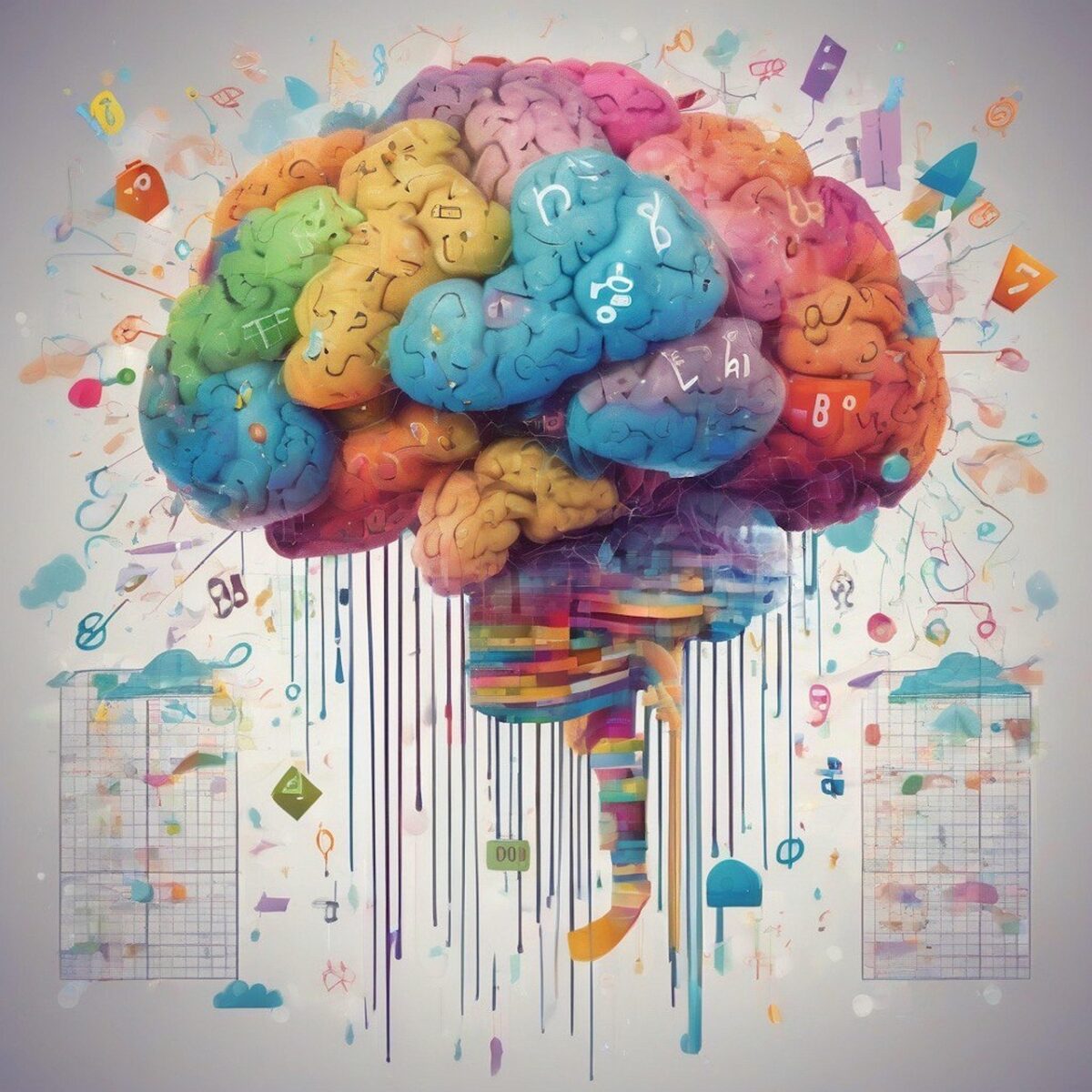
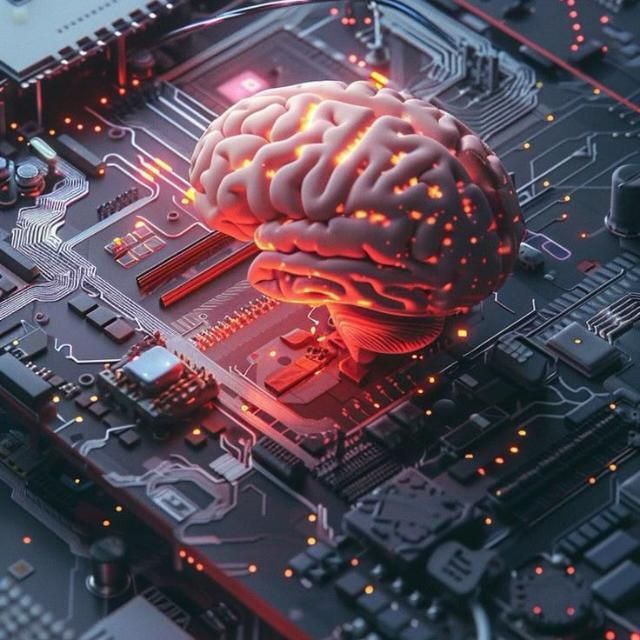
Artificial Intelligence (AI) is one of the most transformative forces in modern computing. It has evolved from a theoretical concept into a powerful technology that is reshaping how computers operate, process data, and interact with humans. Today, AI is at the core of innovation across industries, enabling machines to learn, adapt, and perform tasks that once required human intelligence.
From cloud computing and cybersecurity to software development and data analysis, AI is revolutionizing every aspect of computing. This article explores how AI is integrated into computing, its applications, benefits, challenges, and future potential.
Introduction to AI in Computing
Artificial Intelligence in computing refers to the use of algorithms and machine learning techniques to enable computers to perform intelligent tasks. These tasks include recognizing patterns, understanding language, making decisions, and solving complex problems.
Traditional computing relies on predefined instructions and logic. In contrast, AI-powered computing systems can learn from data, improve over time, and make decisions without explicit programming.
Key Technologies Behind AI in Computing
- Machine Learning (ML): Enables systems to learn from data and improve performance
- Deep Learning: Uses neural networks to process complex data
- Natural Language Processing (NLP): Allows computers to understand human language
- Computer Vision: Enables machines to interpret visual information
These technologies form the foundation of AI-driven computing systems.
Evolution of AI in Computing
Early Computing Era
In the early days, computers were designed to perform simple calculations and execute predefined tasks. They lacked the ability to learn or adapt.
Emergence of AI
The concept of AI introduced the idea of machines that could mimic human intelligence. Early AI systems were limited in capability but laid the groundwork for future advancements.
Modern AI Computing
Today, AI systems can:
- Analyze massive datasets
- Recognize speech and images
- Automate complex processes
- Provide intelligent recommendations
AI has become an integral part of computing, driving innovation and efficiency.
AI in Data Processing and Big Data
One of the most significant contributions of AI in computing is its ability to handle large amounts of data.
Data Analysis
AI can analyze vast datasets quickly and accurately, identifying patterns and trends that humans might miss.
Predictive Analytics
AI uses historical data to predict future outcomes, helping businesses and organizations make informed decisions.
Real-Time Processing
AI enables real-time data processing, allowing systems to respond instantly to changing conditions.
Impact
AI-driven data processing improves decision-making, enhances efficiency, and unlocks valuable insights.
AI in Cloud Computing
Cloud computing and AI are closely interconnected.
AI-Powered Cloud Services
Cloud platforms offer AI tools and services, such as:
- Machine learning models
- Data analytics tools
- Natural language processing APIs
Scalability
AI systems can scale easily in cloud environments, handling large workloads efficiently.
Cost Efficiency
Cloud-based AI reduces the need for expensive hardware and infrastructure.
Benefits
- Accessibility
- Flexibility
- Reduced costs
AI in Cybersecurity
Cybersecurity is a critical area where AI is making a significant impact.
Threat Detection
AI systems can identify potential threats by analyzing network activity.
Anomaly Detection
AI detects unusual behavior that may indicate a cyberattack.
Automated Response
AI can respond to threats in real time, minimizing damage.
Advantages
- Faster threat detection
- Improved security
- Reduced risk of breaches
AI in Software Development
AI is transforming how software is developed.
Code Generation
AI tools can generate code, reducing development time.
Bug Detection
AI identifies errors and vulnerabilities in code.
Testing Automation
AI automates software testing, improving efficiency.
Impact
AI enhances productivity and reduces the time required to develop software.
AI in Human-Computer Interaction
AI is improving how humans interact with computers.
Voice Assistants
AI-powered assistants understand and respond to voice commands.
Chatbots
AI chatbots provide customer support and automate communication.
Natural Interfaces
AI enables intuitive interfaces, making technology easier to use.
AI in Automation and Robotics
AI-driven automation is transforming industries.
Process Automation
AI automates repetitive tasks, improving efficiency.
Robotics Integration
AI enhances robots with intelligence and adaptability.
Benefits
- Increased productivity
- Reduced errors
- Cost savings
AI in Edge Computing
Edge computing involves processing data closer to the source.
AI at the Edge
AI enables real-time decision-making at the edge.
Applications
- Smart devices
- IoT systems
- Autonomous vehicles
Advantages
- Reduced latency
- Improved performance
AI in Internet of Things (IoT)
AI and IoT work together to create intelligent systems.
Smart Devices
AI enables devices to learn and adapt.
Data Analysis
AI processes data from IoT devices.
Applications
- Smart homes
- Industrial automation
- Healthcare monitoring
AI in High-Performance Computing (HPC)
High-performance computing uses powerful systems to solve complex problems.
AI Integration
AI enhances HPC by:
- Optimizing computations
- Accelerating data processing
Applications
- Scientific research
- Climate modeling
- Medical simulations
Benefits of AI in Computing
AI offers numerous advantages in computing.
1. Efficiency
AI automates tasks and improves productivity.
2. Accuracy
AI reduces human errors.
3. Speed
AI processes data quickly.
4. Scalability
AI systems can handle large workloads.
5. Innovation
AI drives technological advancements.
Challenges and Limitations
Despite its benefits, AI in computing faces challenges.
Data Privacy
Handling sensitive data raises privacy concerns.
High Costs
Developing AI systems can be expensive.
Complexity
AI systems can be difficult to understand and manage.
Ethical Issues
AI raises questions about fairness and accountability.
Ethical Considerations
Bias in AI
AI systems may produce biased results.
Transparency
AI decisions should be explainable.
Responsibility
Accountability for AI actions must be defined.
Future of AI in Computing
The future of AI in computing is promising.
Emerging Trends
- Quantum computing with AI
- Advanced neural networks
- Autonomous systems
Potential Impact
AI will:
- Transform industries
- Enhance productivity
- Improve quality of life
AI and the Digital Transformation
AI is driving digital transformation across industries.
Business Applications
- Customer insights
- Process optimization
- Decision-making
Societal Impact
AI is changing how people live and work.
Opportunities in AI Computing
Careers
- AI engineering
- Data science
- Software development
Business Opportunities
- AI startups
- Cloud services
- Automation solutions
Conclusion
Artificial Intelligence is revolutionizing computing by making systems smarter, faster, and more efficient. From data processing and cloud computing to cybersecurity and software development, AI is transforming every aspect of the digital world.
While challenges such as privacy, cost, and ethics remain, the benefits of AI in computing are immense. As technology continues to evolve, AI will play an even greater role in shaping the future of computing.
By understanding and adopting AI, individuals and organizations can stay ahead in the rapidly changing digital landscape and unlock new opportunities for growth and innovation.
If you want, I can next:
- Add SEO optimization (title, meta, keywords)
- Create a featured image/banner
- Or design a complete blog layout for this article 💻🚀
No responses yet