
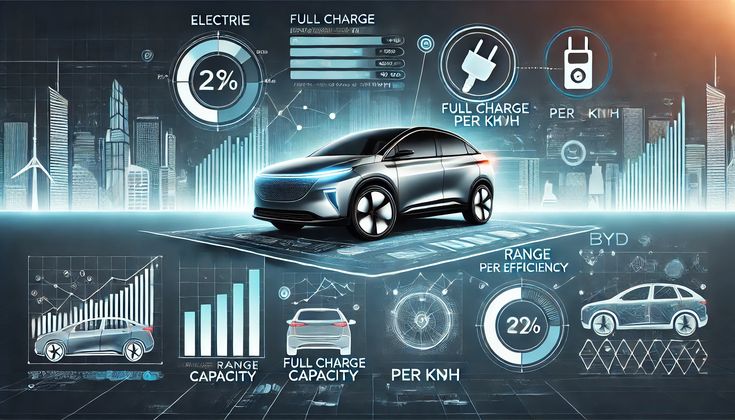
A Comprehensive Guide to AI’s Role in Modern Vehicles and Mobility
Artificial Intelligence (AI) is transforming the automotive industry at an extraordinary pace. What was once limited to mechanical engineering and manual driving is now evolving into a highly intelligent, data-driven ecosystem. From self-driving cars and smart safety systems to predictive maintenance and connected vehicles, AI is redefining how cars are designed, manufactured, and driven.
In today’s competitive and technology-driven world, automotive companies are leveraging AI to enhance performance, improve safety, reduce costs, and deliver better user experiences. This article explores how AI is helping the automotive industry, its key applications, benefits, challenges, and future potential.
Introduction to AI in the Automotive Industry
Artificial Intelligence refers to systems that can perform tasks requiring human intelligence, such as learning, decision-making, and problem-solving. In the automotive industry, AI is used to process vast amounts of data from sensors, cameras, and software systems to enable intelligent vehicle behavior.
Modern vehicles are equipped with advanced technologies such as:
- Sensors and cameras
- GPS systems
- Machine learning algorithms
- Internet connectivity
These technologies allow vehicles to analyze their environment, make decisions, and improve over time.
Evolution of AI in Automotive
Traditional Vehicles
Early vehicles relied entirely on human control with minimal automation.
Introduction of Automation
Features such as cruise control, anti-lock braking systems (ABS), and parking sensors marked the beginning of automation.
AI-Driven Vehicles
Today’s vehicles use AI for:
- Autonomous driving
- Smart navigation
- Advanced safety systems
AI has turned vehicles into intelligent machines capable of interacting with their surroundings.
AI in Autonomous Driving
One of the most significant applications of AI in the automotive industry is autonomous driving.
How It Works
Self-driving cars use:
- Cameras
- Radar and LiDAR sensors
- Machine learning algorithms
These systems collect data from the environment and make real-time decisions.
Capabilities
- Detecting objects and obstacles
- Recognizing traffic signs
- Navigating roads
- Avoiding collisions
Benefits
- Reduced human error
- Improved road safety
- Increased convenience
Autonomous vehicles have the potential to revolutionize transportation by reducing accidents and improving efficiency.
AI in Advanced Driver Assistance Systems (ADAS)
AI plays a key role in enhancing driver safety through ADAS.
Features
- Lane departure warning
- Adaptive cruise control
- Automatic emergency braking
- Blind-spot detection
Impact
These systems assist drivers in making safer decisions and reduce the risk of accidents.
AI in Vehicle Safety
Safety is a top priority in the automotive industry, and AI is improving it significantly.
Real-Time Monitoring
AI monitors driving conditions and driver behavior.
Collision Prevention
AI systems detect potential collisions and take preventive actions.
Driver Monitoring
AI tracks driver attention and alerts them if they are distracted or drowsy.
AI in Predictive Maintenance
Maintenance is essential for vehicle performance and safety.
How AI Helps
AI analyzes data from vehicle sensors to predict potential failures.
Benefits
- Reduced breakdowns
- Lower maintenance costs
- Increased vehicle lifespan
Predictive maintenance ensures vehicles remain in optimal condition.
AI in Manufacturing and Production
AI is transforming how vehicles are manufactured.
Smart Factories
AI enables automation in production lines.
Quality Control
AI systems inspect vehicles for defects.
Robotics
AI-powered robots perform assembly tasks with precision.
Advantages
- Increased efficiency
- Reduced errors
- Lower production costs
AI in Supply Chain Management
Efficient supply chain management is crucial for the automotive industry.
Applications
- Demand forecasting
- Inventory management
- Logistics optimization
Benefits
AI ensures timely delivery of components and reduces operational costs.
AI in Connected Vehicles
Connected vehicles use AI to communicate with each other and their environment.
Features
- Vehicle-to-vehicle (V2V) communication
- Vehicle-to-infrastructure (V2I) communication
- Real-time navigation updates
Impact
Connected vehicles improve traffic flow and reduce congestion.
AI in Navigation and Traffic Management
AI enhances navigation systems.
Smart Routing
AI suggests the best routes based on traffic conditions.
Traffic Prediction
AI predicts traffic patterns and helps avoid congestion.
Benefits
- Reduced travel time
- Improved fuel efficiency
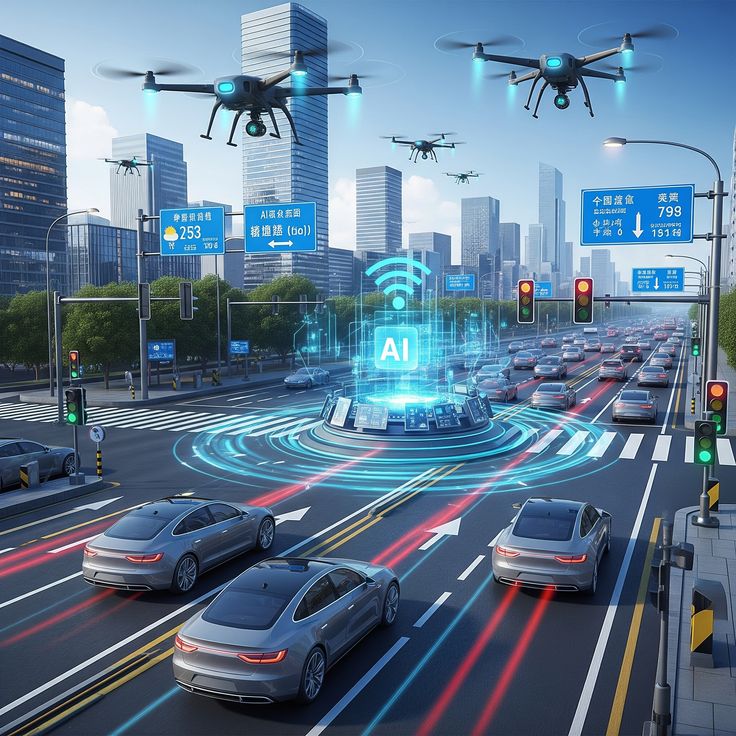
AI in Electric Vehicles (EVs)
AI is playing a key role in the growth of electric vehicles.
Battery Management
AI optimizes battery performance and lifespan.
Energy Efficiency
AI improves energy consumption.
Charging Optimization
AI suggests optimal charging times and locations.
AI in Customer Experience
AI improves the overall driving experience.
Voice Assistants
Drivers can interact with vehicles using voice commands.
Personalization
AI adjusts settings based on user preferences.
Infotainment Systems
AI enhances entertainment options in vehicles.
AI in Fleet Management
Businesses use AI to manage vehicle fleets.
Applications
- Route optimization
- Fuel management
- Driver behavior analysis
Benefits
- Reduced costs
- Improved efficiency
Benefits of AI in the Automotive Industry
AI offers numerous advantages.
1. Improved Safety
AI reduces accidents and enhances driver safety.
2. Increased Efficiency
AI optimizes vehicle performance and operations.
3. Cost Reduction
Automation reduces production and maintenance costs.
4. Better User Experience
AI provides personalized and convenient features.
5. Environmental Benefits
AI improves fuel efficiency and reduces emissions.
Challenges of AI in Automotive
Despite its benefits, AI faces challenges.
High Costs
Developing AI systems can be expensive.
Technical Complexity
AI systems require advanced technology and expertise.
Cybersecurity Risks
Connected vehicles are vulnerable to cyberattacks.
Legal Issues
Regulations for autonomous vehicles are still evolving.
Ethical Considerations
AI in automotive raises ethical questions.
Decision-Making
How should AI respond in critical situations?
Accountability
Who is responsible for AI-driven decisions?
Privacy
AI systems collect and process user data.
The Future of AI in Automotive
The future of AI in the automotive industry is promising.
Emerging Trends
- Fully autonomous vehicles
- Smart transportation systems
- Integration with smart cities
- AI-powered mobility services
Potential Impact
AI will:
- Transform transportation
- Improve safety
- Reduce traffic congestion
AI and Smart Cities
AI will play a key role in smart cities.
Applications
- Traffic management
- Public transportation optimization
- Infrastructure planning
Opportunities in AI Automotive Sector
Careers
- AI engineering
- Automotive design
- Data analysis
Business Opportunities
- Autonomous vehicle startups
- Mobility services
- AI software development
Conclusion
Artificial Intelligence is revolutionizing the automotive industry by making vehicles smarter, safer, and more efficient. From autonomous driving and advanced safety systems to predictive maintenance and smart manufacturing, AI is transforming every aspect of the industry.
While challenges such as cost, cybersecurity, and ethical concerns remain, the benefits of AI far outweigh the risks. As technology continues to evolve, AI will play a central role in shaping the future of transportation.
The automotive industry is moving toward a future where vehicles are not just machines but intelligent systems that enhance safety, efficiency, and user experience. AI is the driving force behind this transformation, making mobility smarter and more sustainable.
No responses yet