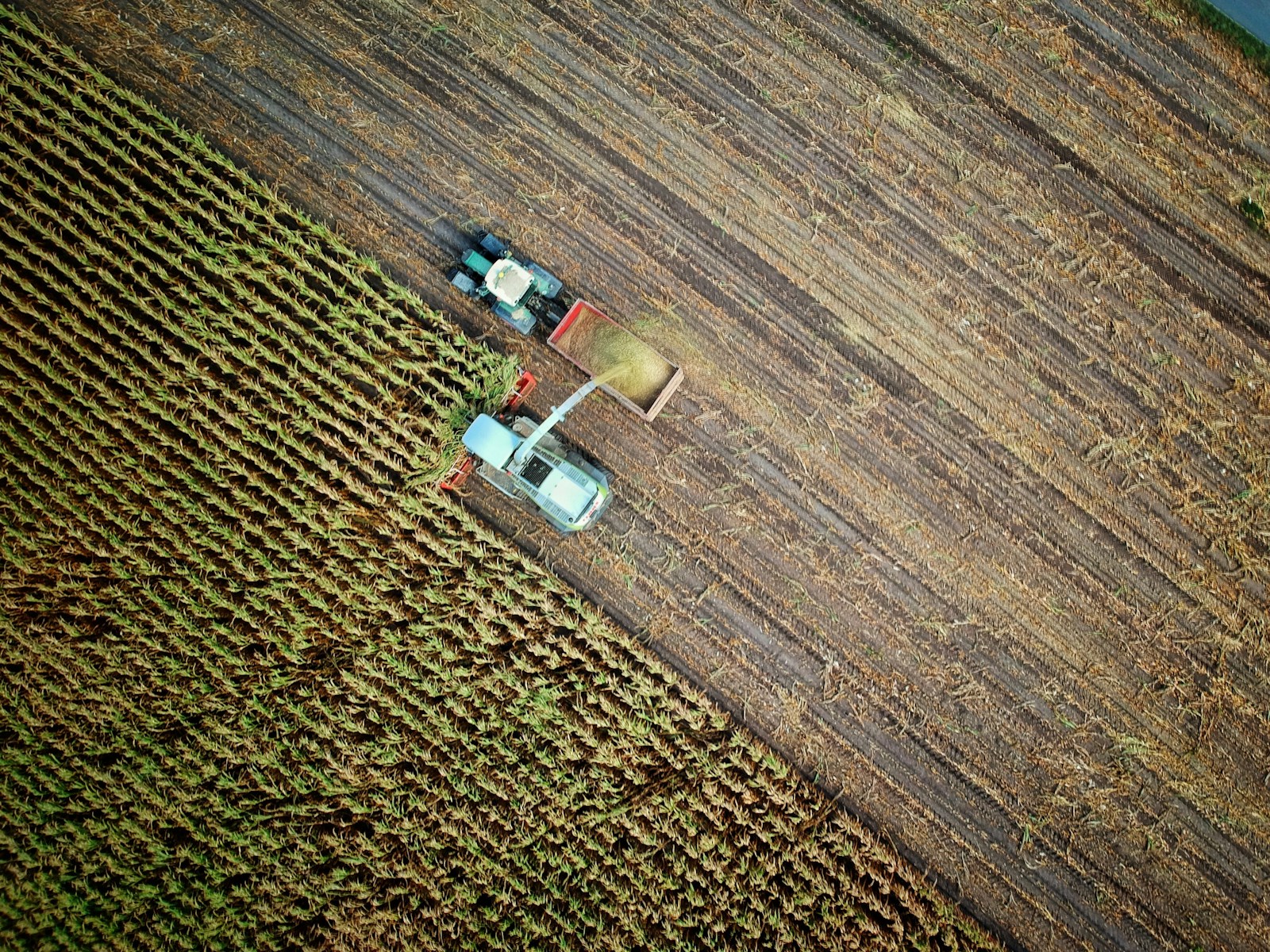
Agriculture has always been the backbone of human civilization. From ancient farming practices to modern mechanization, the evolution of agriculture has played a crucial role in sustaining life and driving economic growth. Today, a new technological revolution is transforming the agricultural sector—Artificial Intelligence (AI). With the global population increasing rapidly and climate change posing serious challenges, farmers are under immense pressure to produce more with fewer resources. AI is emerging as a powerful solution, helping farmers improve productivity, reduce costs, and adopt sustainable practices.
This article explores how AI is helping farmers across various aspects of agriculture, including crop management, soil health, irrigation, pest control, livestock monitoring, supply chain optimization, and more.
The Need for AI in Agriculture
Modern agriculture faces several challenges:
- Climate change and unpredictable weather
- Water scarcity
- Soil degradation
- Pest infestations and crop diseases
- Rising costs of labor and inputs
- Increasing demand for food
Traditional farming methods are often not enough to address these issues. Farmers need smarter, data-driven solutions—and this is where AI comes in.
AI enables farmers to analyze large amounts of data, make informed decisions, and automate processes. It transforms farming from a reactive practice into a proactive and predictive one.
AI in Crop Monitoring and Management
One of the most important applications of AI in agriculture is crop monitoring.
1. Smart Crop Surveillance
AI-powered drones and satellite imagery allow farmers to monitor their fields in real time. These tools can capture high-resolution images and analyze crop health using advanced algorithms.
Farmers can identify:
- Nutrient deficiencies
- Water stress
- Disease outbreaks
- Growth patterns
This helps in taking timely action, preventing crop loss, and improving yields.
2. Predictive Analytics
AI systems can predict crop yields based on historical data, weather patterns, and soil conditions. This helps farmers plan their planting and harvesting schedules more effectively.
3. Precision Farming
AI enables precision agriculture, where farmers can apply fertilizers, pesticides, and water only where needed. This reduces waste and increases efficiency.
AI in Soil Health Management
Healthy soil is essential for successful farming. AI helps farmers understand and maintain soil quality.
1. Soil Analysis
AI-powered sensors can analyze soil composition, including moisture levels, pH, and nutrient content. This information helps farmers choose the right crops and fertilizers.
2. Smart Recommendations
AI systems provide personalized recommendations on soil treatment, crop rotation, and fertilization strategies.
AI in Irrigation and Water Management
Water is one of the most critical resources in agriculture. AI helps optimize its use.
1. Smart Irrigation Systems
AI-powered irrigation systems use data from sensors and weather forecasts to determine the exact amount of water needed by crops.
This prevents overwatering and underwatering, saving water and improving crop health.
2. Drought Prediction
AI can analyze weather data to predict drought conditions, allowing farmers to take preventive measures.
AI in Pest and Disease Control
Pests and diseases can cause significant crop losses. AI helps in early detection and prevention.
1. Image Recognition
AI systems can analyze images of crops to detect signs of disease or pest infestation. Farmers can use smartphone apps to scan plants and get instant diagnoses.
2. Targeted Treatment
Instead of spraying pesticides across the entire field, AI enables targeted treatment, reducing chemical use and environmental impact.
AI in Livestock Farming
AI is not limited to crops—it is also transforming livestock management.
1. Health Monitoring
AI-powered sensors can track the health and behavior of animals. Changes in activity levels, eating habits, or movement can indicate illness.
2. Smart Feeding Systems
AI systems can determine the optimal diet for animals based on their age, weight, and health condition.
3. Breeding Optimization
AI helps farmers select the best breeding pairs to improve productivity and genetic quality.
AI in Farm Automation
Automation is another major benefit of AI in agriculture.
1. Autonomous Machinery
AI-powered tractors and harvesters can operate without human intervention. These machines can perform tasks such as planting, plowing, and harvesting with high precision.
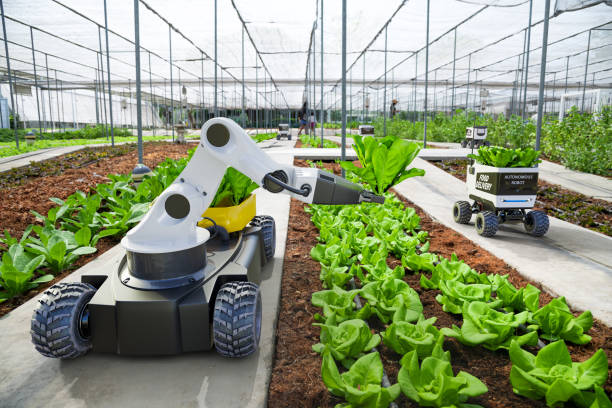
2. Robotic Harvesting
Robots equipped with AI can identify ripe fruits and vegetables and pick them carefully, reducing damage and labor costs.
AI in Weather Forecasting
Weather plays a crucial role in farming. AI improves weather prediction accuracy.
Farmers can:
- Plan planting and harvesting schedules
- Protect crops from extreme weather
- Reduce risks associated with climate variability
AI in Supply Chain and Market Access
AI is also helping farmers beyond the field.
1. Market Insights
AI systems analyze market trends and provide information on crop prices, demand, and supply. This helps farmers make better selling decisions.
2. Supply Chain Optimization
AI improves logistics, storage, and transportation, reducing post-harvest losses.
AI and Sustainable Farming
Sustainability is a major concern in modern agriculture. AI promotes environmentally friendly practices.
1. Reduced Chemical Use
By enabling precise application of fertilizers and pesticides, AI reduces environmental pollution.
2. Efficient Resource Use
AI helps optimize the use of water, energy, and other resources.
3. Climate Resilience
AI helps farmers adapt to changing climate conditions, ensuring long-term sustainability.
Benefits of AI for Farmers
The adoption of AI offers several advantages:
- Increased crop yields
- Reduced costs
- Better decision-making
- Improved efficiency
- Enhanced sustainability
- Reduced labor dependency
Challenges and Limitations
Despite its benefits, AI in agriculture faces some challenges:
1. High Initial Costs
AI technologies can be expensive, making them less accessible for small-scale farmers.
2. Lack of Technical Knowledge
Farmers may need training to use AI tools effectively.
3. Data Dependency
AI systems rely on accurate data. Poor data quality can lead to incorrect decisions.
4. Connectivity Issues
Rural areas may lack reliable internet access, limiting the use of AI technologies.
The Future of AI in Agriculture
The future of AI in farming is bright and full of possibilities:
- Integration with Internet of Things (IoT) devices
- Use of blockchain for transparent supply chains
- Advanced robotics for fully automated farms
- AI-driven climate-smart agriculture
As technology becomes more affordable and accessible, even small farmers will benefit from AI innovations.
Conclusion
Artificial Intelligence is revolutionizing agriculture by making farming smarter, more efficient, and more sustainable. It empowers farmers with data-driven insights, automates labor-intensive tasks, and helps overcome challenges such as climate change and resource scarcity.
From crop monitoring and soil analysis to livestock management and market access, AI is transforming every aspect of farming. While challenges remain, the potential benefits far outweigh the limitations.
In a world where food security is becoming increasingly important, AI offers a powerful solution. By embracing this technology, farmers can not only increase productivity but also ensure a sustainable future for generations to come.
AI is not replacing farmers—it is empowering them, turning traditional agriculture into a smart, resilient, and future-ready industry.
No responses yet