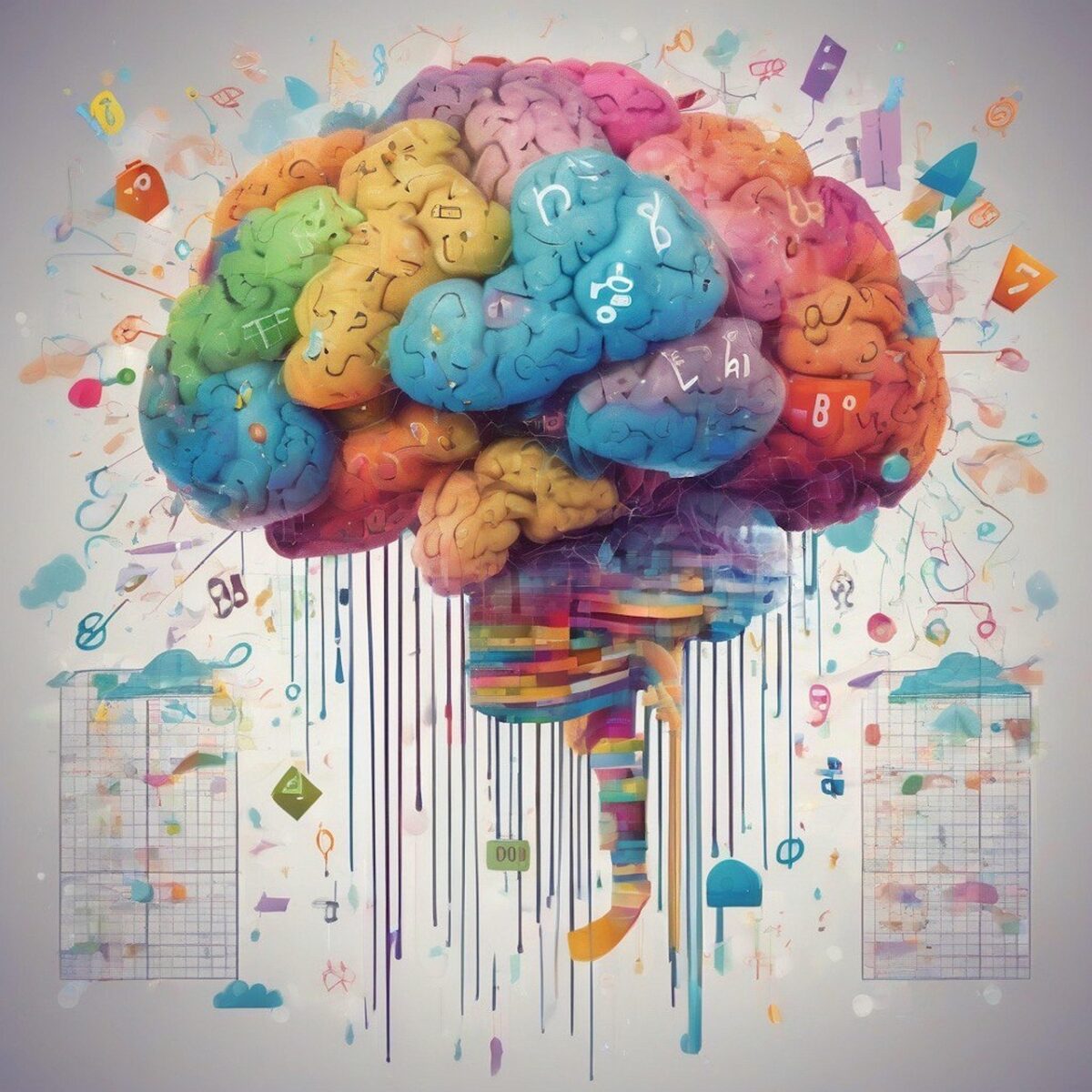
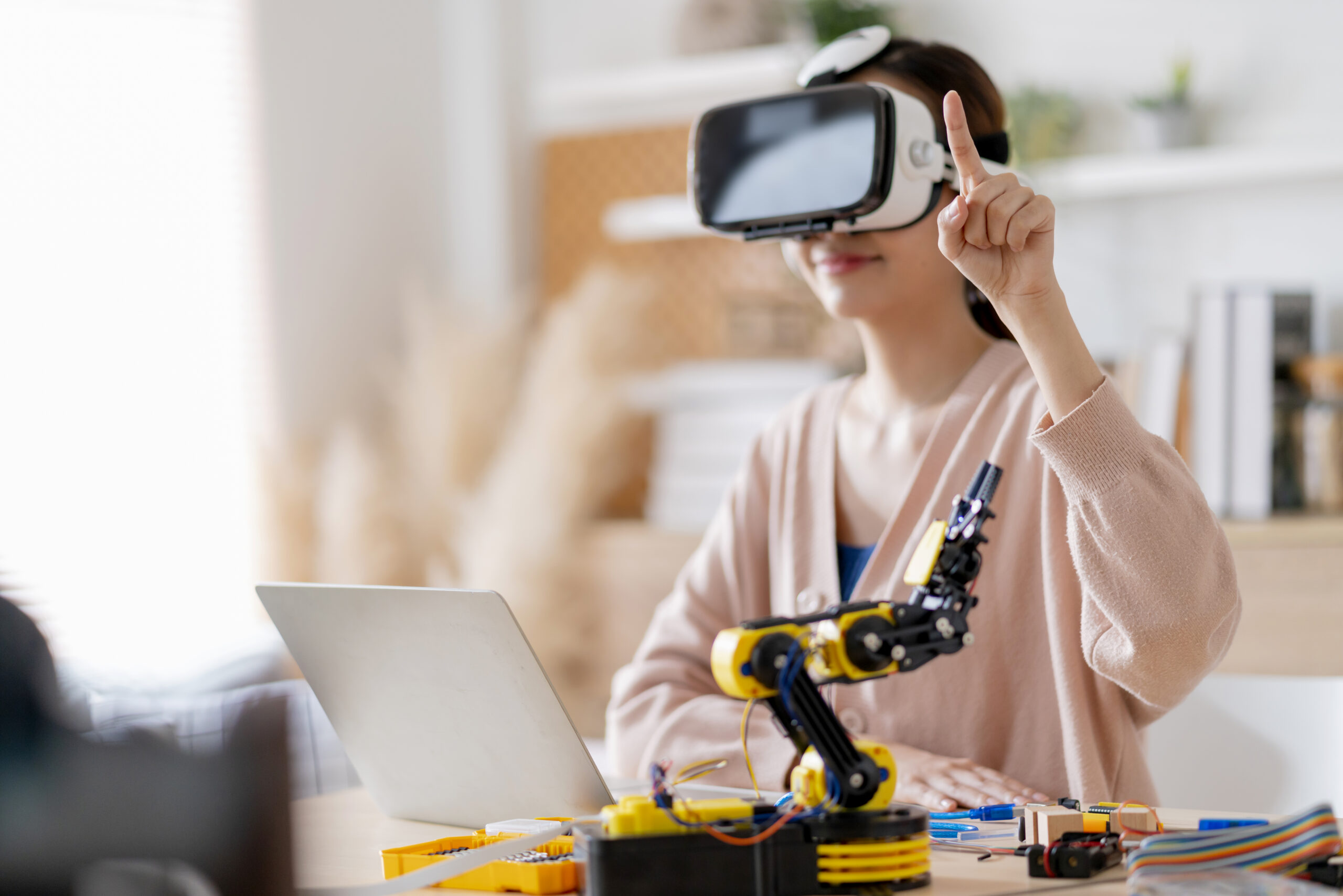
Artificial Intelligence (AI) is no longer a futuristic concept confined to science fiction—it is an integral part of modern life. From the moment we wake up and check our smartphones to the way businesses operate and governments make decisions, AI is reshaping the world in profound and lasting ways. Its influence spans industries, cultures, and personal experiences, making it one of the most transformative technologies of the 21st century.
This article explores how AI is changing our lives across various domains, including daily routines, healthcare, education, business, communication, and society at large, while also examining the challenges and future implications of this powerful technology.
1. AI in Everyday Life
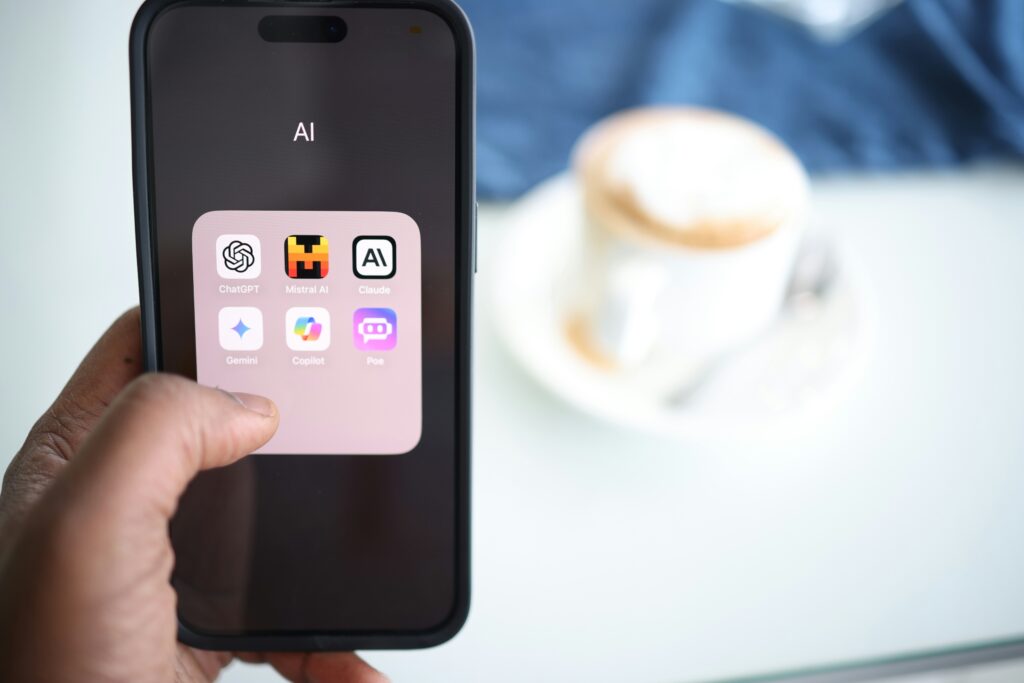
AI has seamlessly integrated into our daily routines, often in ways we don’t even notice. One of the most common examples is the use of smartphones. Features like voice assistants, predictive text, facial recognition, and personalized recommendations all rely on AI.
Voice assistants such as Siri, Google Assistant, and Alexa help users perform tasks like setting reminders, playing music, or controlling smart home devices. These systems use natural language processing (NLP) to understand human speech and respond intelligently.
Streaming platforms like Netflix and Spotify use AI algorithms to recommend content based on user preferences. Similarly, social media platforms use AI to curate feeds, suggest friends, and display targeted advertisements.
Even navigation apps like Google Maps rely on AI to analyze traffic patterns and suggest the fastest routes. These tools save time, reduce stress, and improve efficiency in daily life.
2. AI in Healthcare
One of the most impactful areas where AI is making a difference is healthcare. AI is revolutionizing how diseases are diagnosed, treated, and managed.
2.1 Early Diagnosis and Detection
AI-powered systems can analyze medical images such as X-rays, MRIs, and CT scans with high accuracy. These systems help doctors detect diseases like cancer at an early stage, improving survival rates.
2.2 Personalized Treatment
AI enables personalized medicine by analyzing a patient’s genetic information, lifestyle, and medical history. This allows doctors to tailor treatments specifically to individual patients.
2.3 Drug Discovery
AI accelerates the drug discovery process by analyzing vast datasets to identify potential compounds. This significantly reduces the time and cost required to develop new medications.
2.4 Virtual Health Assistants
Chatbots and virtual assistants provide medical advice, schedule appointments, and monitor patient health. These tools improve access to healthcare, especially in remote areas.
3. AI in Education
AI is transforming education by making learning more personalized, accessible, and efficient.
3.1 Personalized Learning
AI-powered platforms analyze student performance and adapt content to suit individual learning styles. This helps students learn at their own pace and improves outcomes.
3.2 Intelligent Tutoring Systems
These systems provide real-time feedback and guidance, helping students understand complex concepts without constant teacher supervision.
3.3 Automation of Administrative Tasks
AI automates tasks such as grading, scheduling, and attendance tracking, allowing teachers to focus more on teaching.
3.4 Accessibility
AI tools like speech-to-text and text-to-speech make education more accessible for students with disabilities.
4. AI in Business and Industry
Businesses are leveraging AI to improve efficiency, reduce costs, and enhance customer experiences.
4.1 Automation
AI automates repetitive tasks such as data entry, customer support, and inventory management. This increases productivity and reduces human error.
4.2 Data Analysis
AI can process and analyze large amounts of data quickly, providing valuable insights for decision-making.
4.3 Customer Experience
Chatbots and recommendation systems enhance customer service by providing instant responses and personalized suggestions.
4.4 Supply Chain Optimization
AI helps businesses manage supply chains more efficiently by predicting demand, optimizing logistics, and reducing waste.
5. AI in Transportation
Transportation is undergoing a major transformation due to AI.
5.1 Autonomous Vehicles
Self-driving cars use AI to navigate roads, detect obstacles, and make real-time decisions. While still developing, they have the potential to reduce accidents and improve traffic flow.
5.2 Traffic Management
AI systems analyze traffic data to optimize signals and reduce congestion in cities.
5.3 Ride-Sharing Services
Platforms like Uber and Careem use AI to match drivers with passengers, calculate fares, and optimize routes.
6. AI in Communication and Social Interaction
AI has changed how we communicate and interact with each other.
6.1 Social Media
AI algorithms determine what content users see, shaping opinions and influencing behavior.
6.2 Language Translation
AI-powered translation tools break down language barriers, enabling global communication.
6.3 Content Creation
AI can generate text, images, and videos, transforming industries like marketing, journalism, and entertainment.
7. AI in Entertainment
The entertainment industry has embraced AI to enhance creativity and user experience.
7.1 Content Recommendation
Streaming services use AI to suggest movies, shows, and music tailored to individual preferences.
7.2 Game Development
AI creates more realistic and adaptive gaming experiences by controlling non-player characters (NPCs).
7.3 Creative Arts
AI is being used to compose music, write scripts, and create visual art, expanding the boundaries of creativity.
8. AI in Finance
The financial sector relies heavily on AI for efficiency and security.
8.1 Fraud Detection
AI systems analyze transaction patterns to detect fraudulent activities in real time.
8.2 Algorithmic Trading
AI-driven algorithms execute trades at high speed, maximizing profits and minimizing risks.
8.3 Customer Service
Chatbots handle customer queries, improving response times and reducing operational costs.
9. AI in Agriculture
AI is helping farmers increase productivity and sustainability.
9.1 Precision Farming
AI analyzes soil, weather, and crop data to optimize planting and harvesting.
9.2 Pest Control
AI systems detect pests and diseases early, reducing crop loss.
9.3 Automation
Robots and drones perform tasks like planting, watering, and monitoring crops.
10. AI in Security and Surveillance
AI plays a crucial role in enhancing security.
10.1 Facial Recognition
Used in airports, public places, and smartphones for identification and security.
10.2 Cybersecurity
AI detects and prevents cyberattacks by identifying unusual patterns.
10.3 Predictive Policing
AI analyzes crime data to predict and prevent criminal activities.
11. Challenges and Concerns
Despite its benefits, AI also raises important concerns.
11.1 Job Displacement
Automation may replace certain jobs, particularly those involving repetitive tasks.
11.2 Privacy Issues
AI systems often rely on large amounts of personal data, raising concerns about privacy.
11.3 Bias and Discrimination
AI systems can inherit biases from training data, leading to unfair outcomes.
11.4 Dependence on Technology
Over-reliance on AI may reduce human skills and critical thinking.
11.5 Ethical Concerns
Questions about accountability, transparency, and decision-making remain unresolved.
12. The Future of AI in Our Lives
The impact of AI is expected to grow even further in the coming years.
12.1 Smarter Homes
AI will power smart homes that can anticipate and respond to user needs.
12.2 Advanced Healthcare
AI will enable more accurate diagnoses and personalized treatments.
12.3 Enhanced Human-AI Collaboration
AI will work alongside humans, augmenting their capabilities rather than replacing them.
12.4 Global Connectivity
AI will continue to bridge gaps in communication and access to information.
13. Conclusion
Artificial Intelligence is fundamentally changing how we live, work, and interact with the world. Its influence is evident in everyday tasks, major industries, and global systems. While it offers numerous benefits such as efficiency, convenience, and innovation, it also presents challenges that must be addressed responsibly.
The future of AI depends on how it is developed and used. By focusing on ethical practices, transparency, and inclusivity, society can harness the power of AI to improve lives and create a better future for all.
As AI continues to evolve, one thing is certain: it will remain a central force shaping the human experience for generations to come.
No responses yet